


Reading n8n’s documentation on setting up RAG is exhausting just to scroll through.
n8n is a solid automation tool. But their approach to RAG feels like being handed IKEA furniture with instructions in Swedish when all you wanted was a chair to sit on.
Here’s What n8n Asks You To Do
Step 1: Add nodes to fetch your source data
Step 2: Insert a Vector Store node (choose which one!)
Step 3: Select an embedding model (wait, which one? Check the FAQ!)
Step 4: Add a Default Data Loader node
Step 5: Choose your chunking strategy:
Character Text Splitter?
Recursive Character Text Splitter? (recommended, apparently)
Token Text Splitter?
Step 6: Configure chunk size (200-500 tokens? Larger? Who knows!)
Step 7: Set overlap parameters
Step 8: Add metadata (optional but recommended)
Step 9: Create a separate workflow for querying
Step 10: Configure the agent
Step 11: Add the vector store as a tool with a description
Step 12: Set retrieval limits and enable metadata
Step 13: Make sure you’re using the SAME embedding model you used for ingestion
Oh, and if you want to get fancy? You’ll need to understand:
The difference between text-embedding-ada-002 and text-embedding-3-large
When to use Markdown splitting vs. Code Block splitting
How to add contextual summaries to chunks
Sparse vector embeddings (if you’re feeling ambitious)
“But It’s Low-Code!”
Visual workflow builders are great. But calling this “low-code” is like calling a Tesla “low-maintenance” because you don’t have to change the oil.
Sure, you’re not writing Python scripts. But you ARE becoming a part-time data engineer who needs to understand:
Vector database architecture
Embedding model selection criteria
Text chunking strategies
Semantic search optimization
Agent tool configuration
Their own documentation literally says: “This again depends a lot on your data” when explaining chunk sizes. Translation: “Good luck, figure it out yourself.”
There’s a Better Way
Here’s the thing: RAG is powerful. It absolutely should be accessible to people who aren’t ML engineers. But “accessible” doesn’t mean “expose every technical parameter and let users guess.”
At Needle, we built RAG the way it should work: with Needle Collections, a fully-managed RAG service that handles all the complexity automatically.
What Needle Collections Handle Automatically
Needle Collections are fully-managed RAG infrastructure. Here’s what happens behind the scenes so you don’t have to think about it:
Document indexing - Upload files, paste URLs, or connect entire websites
Intelligent chunking - Optimized automatically for your content type
State-of-the-art embeddings - No model selection required
Vector database management - Production-ready, scalable infrastructure
Auto-reindexing - Via connectors for Google Drive, SharePoint, Slack, GitHub, Obsidian
Unlimited document storage - Not limited to 20-30 docs like ChatGPT Custom GPTs
Production-ready infrastructure - Managed, monitored, and maintained
No configuration. No tuning. No vector database expertise required.
2 Steps to Use Needle RAG
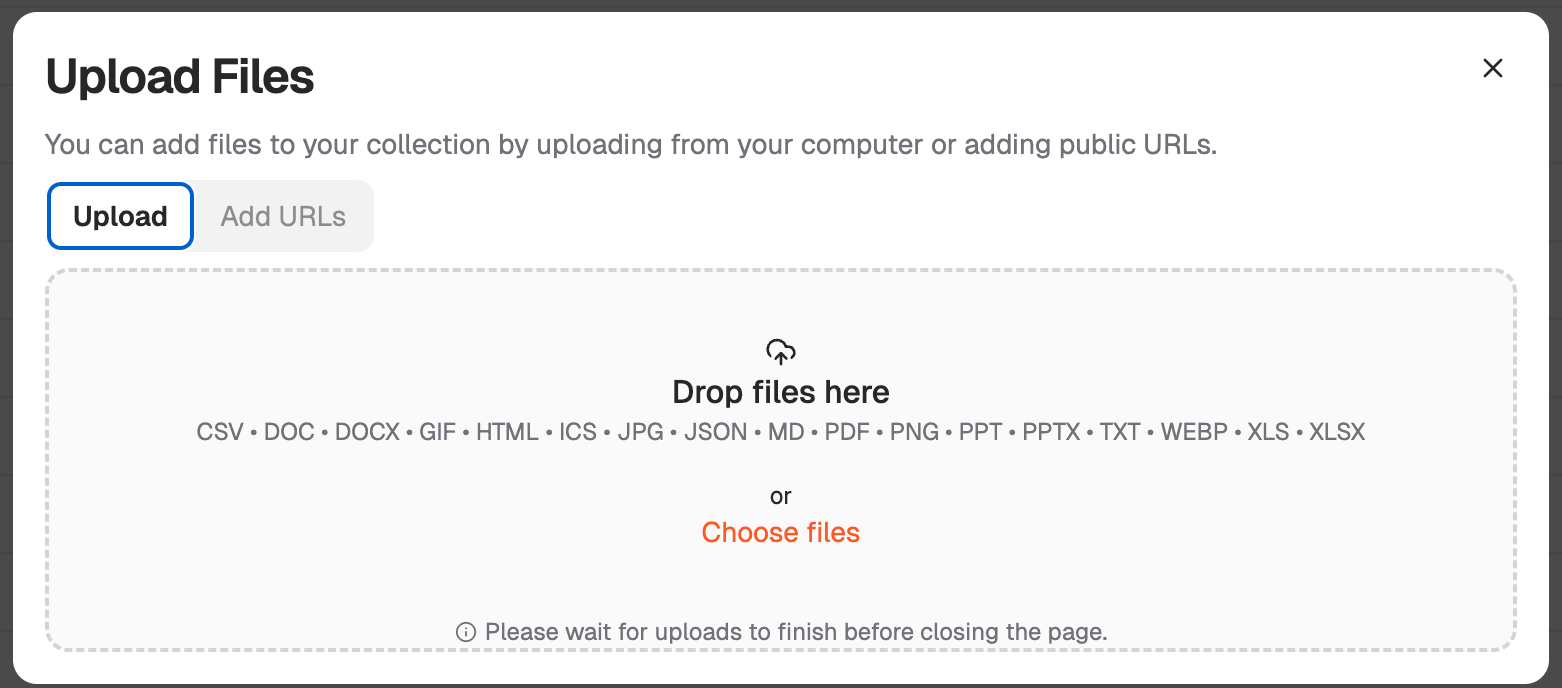
Step 1: Just Chat with Your Data
Create a Collection at needle.app/dashboard/collections
Upload your files (PDFs, docs, markdown, entire websites)
Ask questions in the chat interface
Done. Automatic indexing, automatic chunking, instant answers with citations.

Step 2: Build a Workflow (2 Nodes)
Want to build custom RAG workflows? Here’s the entire setup:
Manual Trigger - Ask your question
AI Agent with
search_collectiontool - Returns the answer
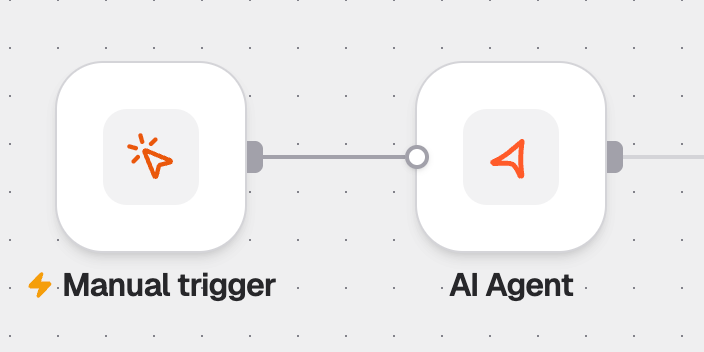
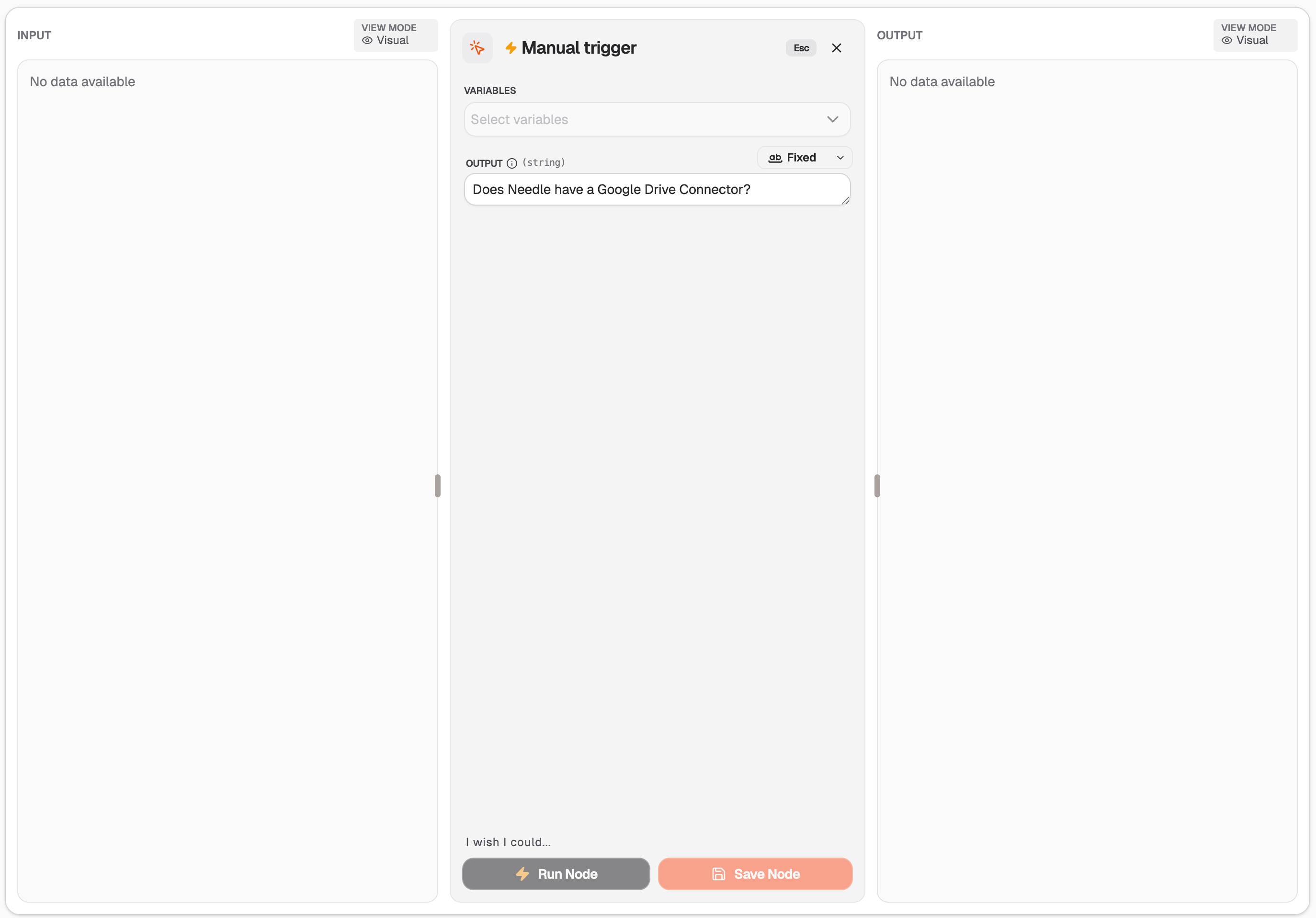
That’s it. Check out the template.
No complex chains. No prompt engineering. No vector database management. Just 2 nodes.
When Complexity is a Feature, Not a Bug
For data science teams building highly customized RAG pipelines with specific chunking requirements for academic research, n8n’s approach gives control. Those teams WANT to tune those parameters.
But for:
Marketing teams that need to search through past campaigns
Sales teams wanting to query CRM and docs
Support teams looking to automate answers from knowledge bases
Developers building AI agents that need company knowledge
Ops people who just want AI to read Google Drive
...there’s no need for 13 steps and a PhD in embeddings. Collections are the answer.
The Real Question
n8n’s documentation proudly states: “RAG in n8n gives you complete control over every step.”
But here’s what they don’t ask: Do you WANT control over every step?
When you use Google, you don’t configure the PageRank algorithm. When you use Spotify, you don’t tune the recommendation engine parameters. You just use the damn thing.
RAG should work the same way. That’s why we built Needle Collections… production-ready RAG that just works.
Needle vs. n8n RAG: Side-by-Side
Try Needle’s Approach
No-code: Create Collection → Upload docs → Chat with your data
Build workflows: 2 nodes using our template
No chunking strategies. No vector databases. No embedding debates. Just production-ready RAG with automatic indexing and intelligent retrieval.
→ Get Started Free
→ View RAG Template
P.S. For anyone currently maintaining an n8n RAG workflow and debugging chunk overlap parameters at 11pm: “fully-managed” might be better than “fully-configurable.” Create a Collection, upload docs, and you’re done.
P.P.S. Yes, we have an n8n integration too. Use Needle’s MCP tools in your n8n AI Agent workflows if you want the best of both worlds: n8n’s automation + Needle’s managed RAG. See the docs.
Jan Heimes is Co-founder & vibe automation magician at Needle. When he’s not simplifying RAG he’s running LinkedIn automations and occasionally messaging himself by accident.